News and insight
Guidance, updates and stories for foster carers, kinship carers and the professionals who support children in care
Why Black history matters in foster care, and why the law expects it

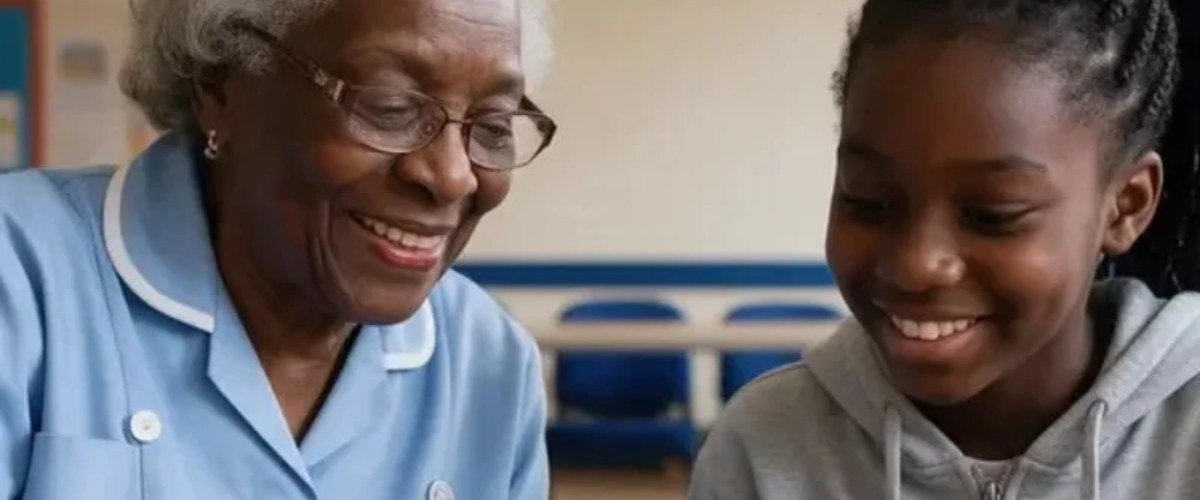
Every October, Black History Month invites us to look again at the stories we tell about the past. For foster carers, kinship carers, adopters and residential staff, this is not only a history lesson. It is part of the job of helping a child understand who they are.
What the numbers tell us
On 31 March 2025 there were 81,770 children looked after in England. Around 8% were Black, African, Caribbean or Black British, and a further 11% were from mixed or multiple ethnic groups. Many of these children live with carers who do not share their heritage. That is not a problem in itself, but it does mean carers need the knowledge and confidence to help children feel proud of where they come from.
What the law says
Section 22 of the Children Act 1989 requires local authorities to give due consideration to a looked-after child's religious persuasion, racial origin and cultural and linguistic background. The Fostering Services National Minimum Standards (Standard 2) expect carers to provide personalised care that promotes all aspects of a child's individual identity, and to help children develop positive self-esteem.
In practice, this means a child should be able to see themselves in the history they learn, the books on the shelf and the conversations at the dinner table. When Black history is reduced to slavery alone, children miss the scientists, writers, soldiers, campaigners and communities who shaped Britain long before 1948.
Where to start
Our free course, Why Black History Is More Than Slavery, is a short, practical introduction for anyone caring for or working with children. It gives you stories to share, questions to ask and ways to build pride and belonging at home.
If you want to go further, the Heritage and Culture bundle brings together five courses on history, food, faith, music, language and role models.
Start this Black History Month with our free course, and help every child feel understood, supported and able to belong.

Leave a comment